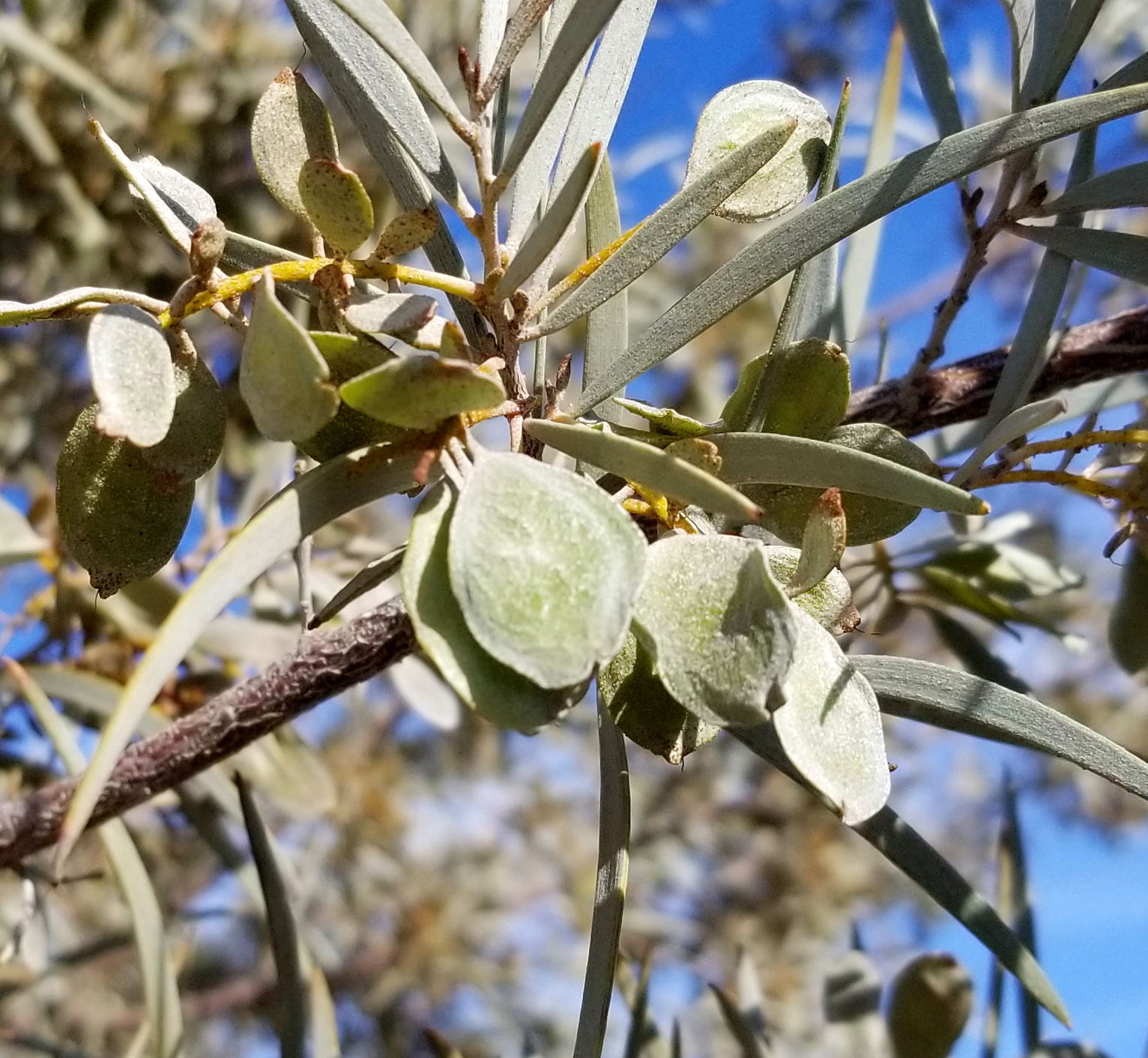
Scientific: Acacia aneura
Common: mulga, mulga wattle
Family: Fabaceae (Leguminosae)
Origin: Southwest
Queensland west across all of central Australia.
Pronounciation: A-KAY-sha a-NUR-a
Hardiness zones
Sunset 8, 9, 12-24
USDA 8-11
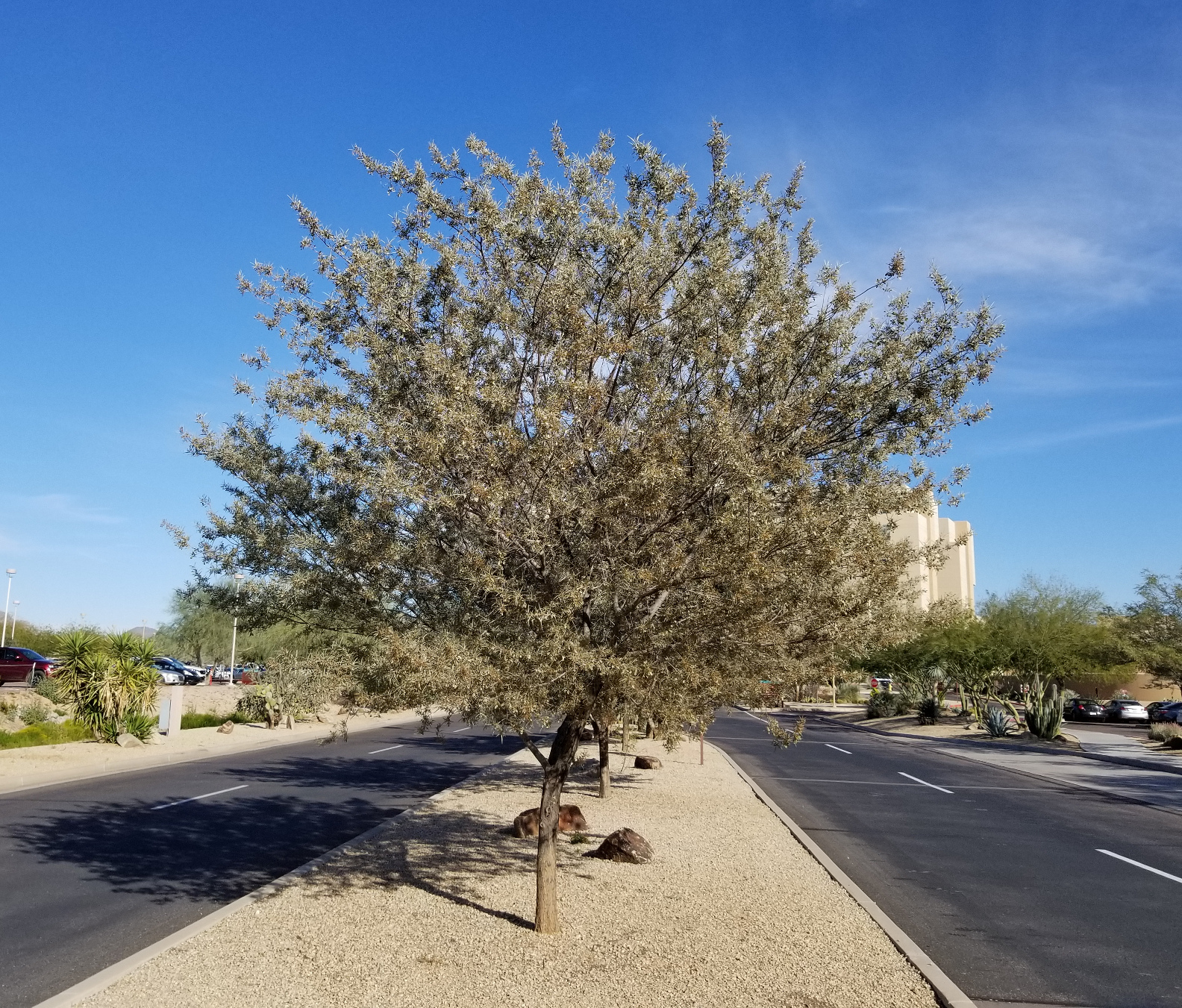
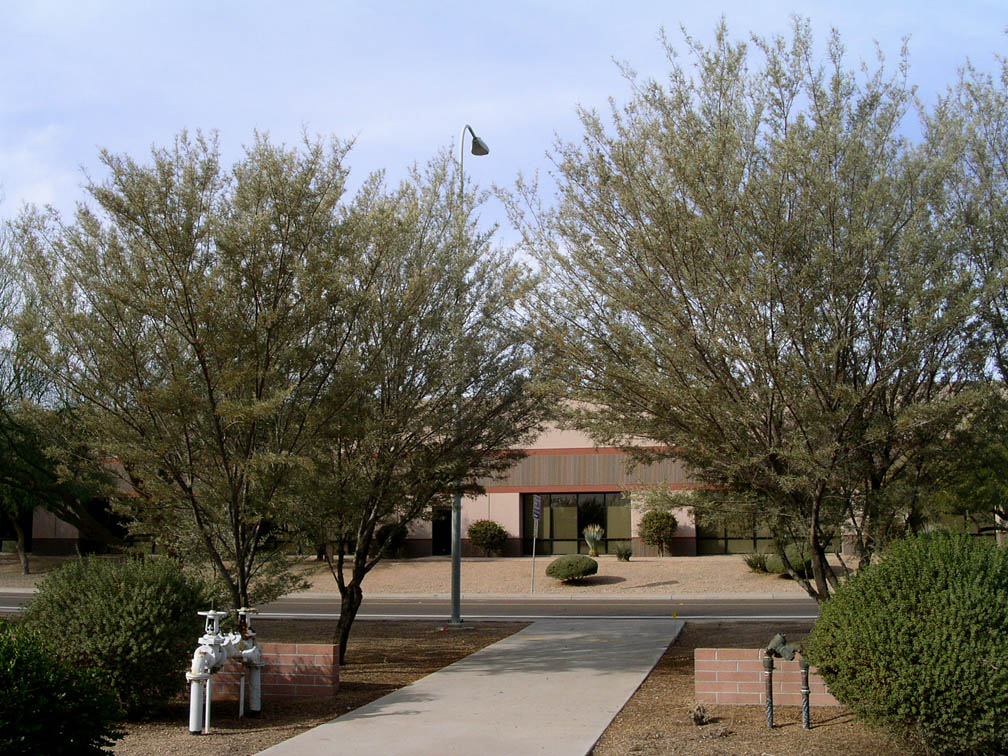
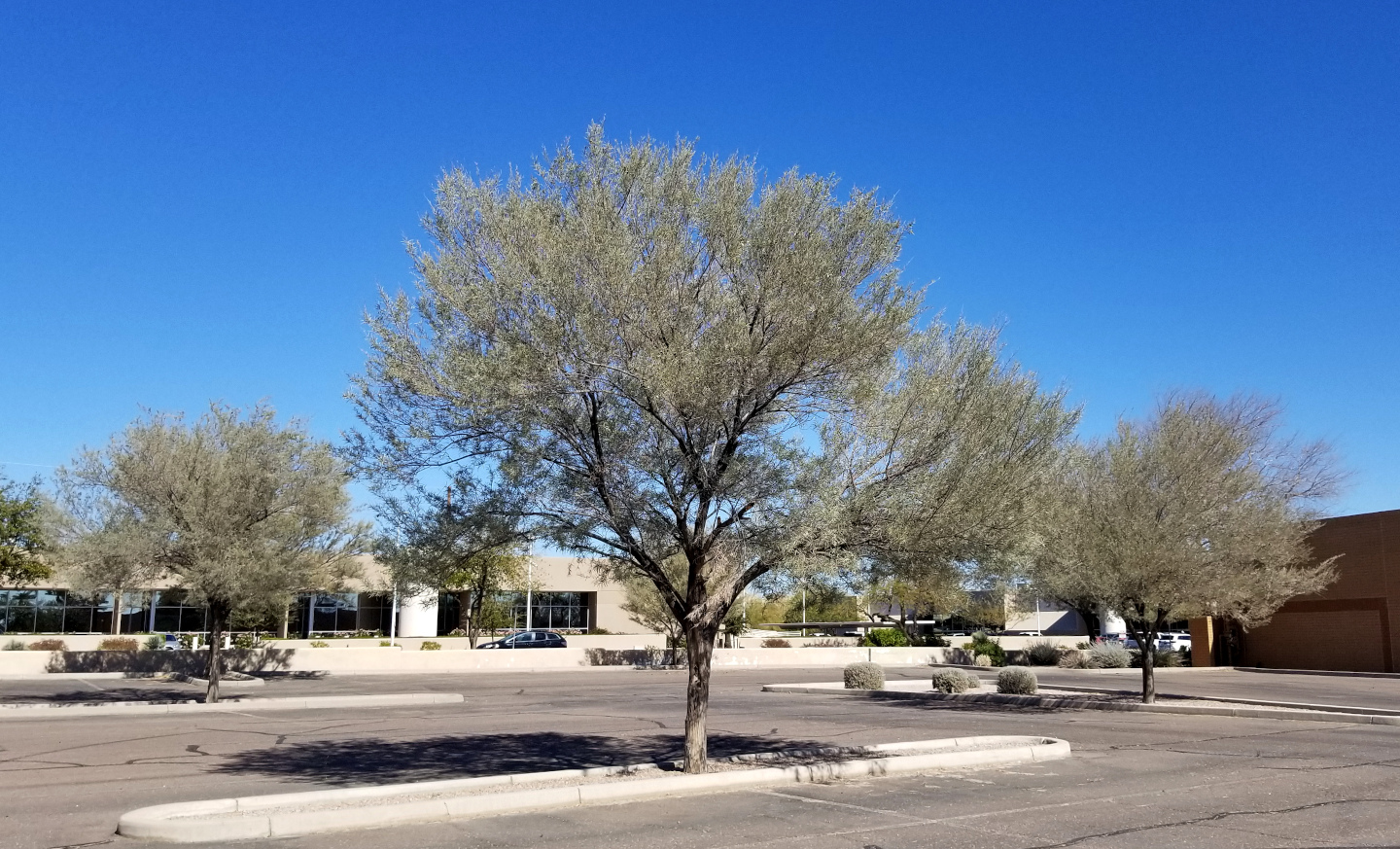
Landscape Use: Best used in xeric or oasis landscape design themes as a single specimen or in groups of multiple trees for creating a grey, water conservation, arid effect. Because of its relative smaller size, mulga is a great residential or commercial tree where space is a bit limited (such as under ultility power lines). Also, it can be used as a large background, screen, informal hedge plant, or even successfully as a parking lot tree.
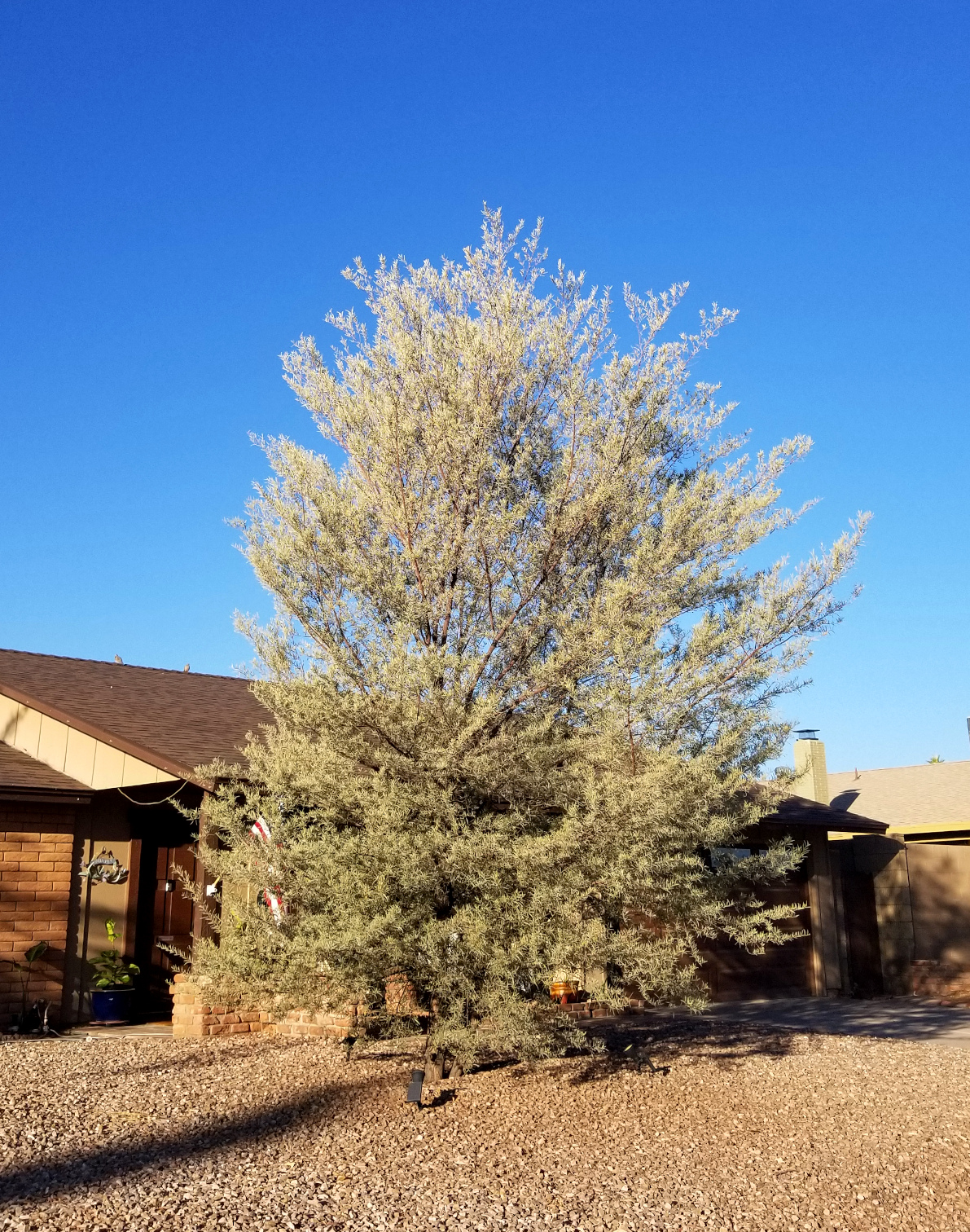
Form & Character: Upright to spreading with age, VERY STIFF and brittle, large shrub to small tree, grey, recessive, dry.
Growth Habit: Evergreen, woody, perennial large shrub or small tree, stiffly branched, slow growth rate to 20- to 30-feet tall with somewhat equal spread, wood is brittle.
Foliage/Texture: Small, narrow, glaucous grayish blue-green phyllodes, narrow, linear to lanceolate less than than 3-inches long, new phyllodes are bronzy brown in color; medium fine texture.
Flowers & Fruits: Mulga flowers are rod shaped with prominent yellow stamens. Fruits in spring are a small, flattened pods, green when immature ripening to brown, generally nondescript.
Seasonal Color: Mulga flowers episodically during the warm season, mostly heavily during fall.
Temperature: Heat loving, cold tolerant to 15oF.
Light: Full sun
Soil: Mulga is tolerant of alkaline soils, although the phyllodes sometimes turn yellow in Phoenix in wet soils of high alkalinity. Chelated micronutrient fertilizers or reducing the amounts and frequency of supplemental water will correct this problem quickly.
Watering: Mulga needs little additional water from irrigation after establishment. It certainly requires no supplemental water during the winter months and only every one to two weeks during the summer to sustain its great performance in Phoenix. More frequent irrigations will dramatically increase its growth rate (producing an open and rank crown architecture) and eventual larger size.
Pruning: Very little needed except to give shape and to raise the crown in situations where a small upright tree form is desired.
Propagation: Fresh, ripened seed will germinate readily after acid or mechanical scarification. Semi-hardwood cuttings can be rooted successful during the summer months only.
Disease and Pests: None
Additional comments: This is a tough (a la the pirate "Arrrrrrrr") large background shrub or small tree for xeric landscapes and/or restricted urban spaces because of its drought and heat stress tolerance.